
Shanghai's waterfront rises to vibrant hub
 我要评论
我要评论
Foreign tourists pose for photos on April 5 with cherry blossoms at the Suzhou Creek in Shanghai. [Photo provided to CHINA DAILY]
In the heart of Shanghai, a peninsula formed by five bends of a creek — now known as the "crown of the Suzhou Creek" — has emerged as a vibrant hub for residents and visitors alike. The area is now a weekend retreat and green urban living room.
But it was not always like this. As of 2020, nearly 40 kilometers of the waterway's 42-km-long banks had been connected to form a continuous public waterfront, leaving only the section that wraps around the peninsula as the unfinished gap.
This final segment of the creek is flanked by Zhongyuan Liangwan City, a vast residential area housing nearly 100 buildings and 50,000 residents. When the project to connect this final gap was proposed, a barrage of over 2,000 objections followed from residents, of whom only 10 percent were in favor of the project.
According to community officials, the key to winning over residents lay in adhering to the principle of "a city built by the people and for the people", which again is rooted in the governance philosophy of the Communist Party of China. In practice, it meant incorporating residents' suggestions into the riverbank's design and giving the waterfront, greenery and space back to the public through a collaborative approach.
"By practicing whole-process people's democracy, we turned differing voices into organized expressions and brought about a drastic improvement in the waterfront environment," said Shao Jianping, secretary of a local neighborhood Party branch.
Once the largest and most dilapidated shantytown in downtown Shanghai, the area was redeveloped into a high-rise residential community around the year 2000, covering an area equivalent to over 200 standard football fields.
As the riverbank connection project was being planned, residents in the neighborhood raised concerns about security, noise, loss of parking space and long-term maintenance.
In October 2020, the Putuo district government established a working group that included secretaries of local Party branches, police officers and residents who are Party members. The group engaged directly with all the residents, addressing their concerns one by one.
"They ensured that all residents had the right to be informed, to participate, to vote and to supervise throughout the process," Shao said. "Democratic consultation, decision-making, evaluation and oversight were integrated into every step."
Party organizations and members played a leading role during the entire process. Several Party members from the neighborhood drafted an open letter to all Party members living in the area, calling on them to rally more people behind the project. The initiative went on to garner widespread support, shifting public sentiment from against to in favor of the project.
The local authorities held over 100 design proposal briefings and organized site visits to already completed areas, where residents could see the waterfront's transformation for themselves. These efforts helped to change many minds.
In late 2020, a residents' meeting passed a resolution with nearly 80 percent approval, well above the required two-thirds majority, paving the way for the project to commence in early 2021.
"Starting the project was only the first step. Continuous consultation and feedback from residents remained essential throughout the process," said Yun Mei, another secretary of a local neighborhood Party branch, adding that 13 consultation meetings were held during the six months of construction, helping resolve issues such as walkway design and parking.
Wang Hong, a resident, said: "We praised the final design, such as the aesthetically pleasing traditional Shanghai-style paving, which replaced the initially proposed plastic walkways. Many of our suggestions were adopted."
Faced with the pressing need to replace outdated elevators in the residential buildings in the area, the neighborhood introduced a mechanism called "discussing building affairs within the building", which significantly accelerated the replacement process. To date, 200 elevators have already been replaced, and the remaining six are currently being replaced.
The community said that it will designate a number of residential buildings as "Party-building models", demonstrating how Party organizations and members can play a leading role in grassroots governance to encourage residents to participate in community affairs.
相关文章
 9月29日,名古屋亚运会田径女子链球决赛,中国选手张家乐夺得金牌!2026-10-08
本次降雨我省有6站次超历史极值 3225名干部群众上堤巡查防守 防范山洪共转移706户1319人
楚天都市报极目新闻讯记者黄忠)5月25日上午,极目新闻记者获悉,5月24日8时至25日6时,武汉、黄冈、孝感、荆州、荆门、天门、仙桃、宜昌、恩施、随州、襄阳、十堰12个市州217个站点发生暴雨。降雨量2026-10-08 汇通财经APP讯——近期,美国前总统特朗普高调释放与伊朗达成停火协议的信号,加之伊朗迈赫尔通讯社披露的美伊拟定谅解备忘录核心条款,这一系列牵动地缘政治格局的动向,正引发全球原油交易市场的剧烈震荡。消息2026-10-08
 北京时间6月15日,2026年美加墨世界杯进行F组首轮角逐,荷兰队对阵日本队。最终,荷兰2-2战平日本。第51分钟,赫拉芬贝赫传中,范戴克头球破门,荷兰队1-0领先。第57分钟,中村敬斗弧顶劲射破门,2026-10-08
 新华社深圳10月4日消息,2026世界斯诺克·深圳公开赛4日晚落幕,在一场中国“德比”决赛中,吴宜泽10:5击败袁思俊夺得冠军,实时世界排名上升到第二位。10月4日,吴宜泽在比赛中。新华社记者 毛思倩2026-10-08
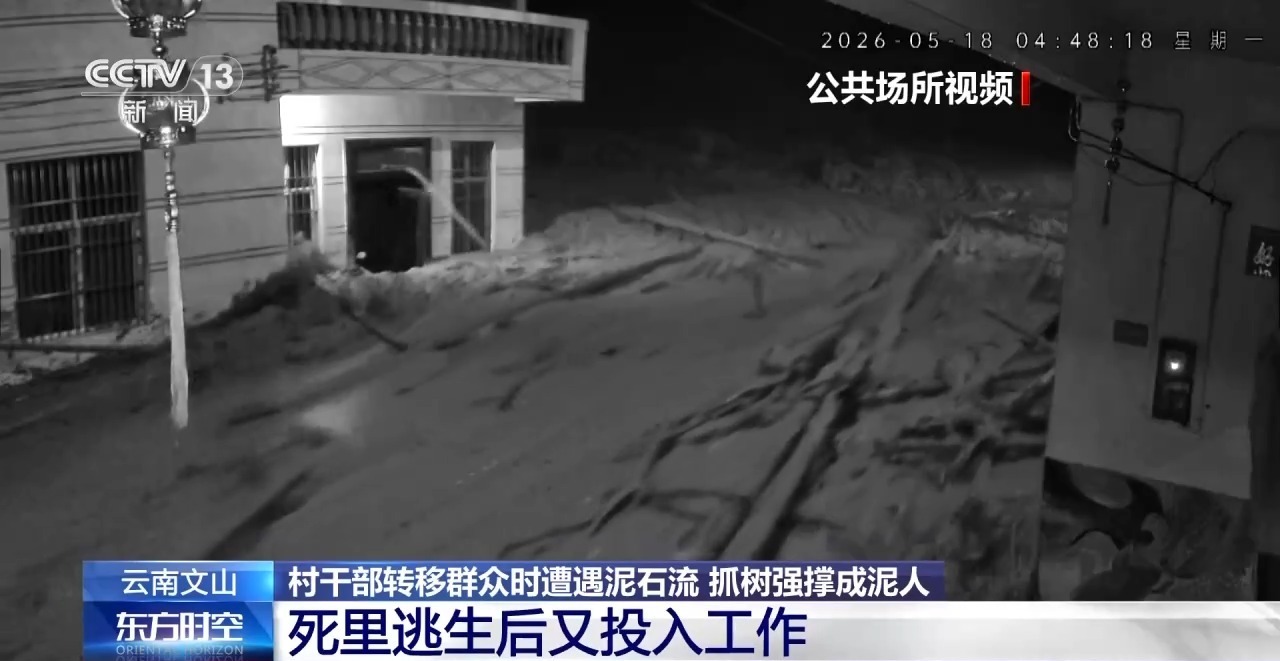 近日,云南马关县一名村干部抗洪救灾时变成“泥人”的照片引发关注:他叫田如良,是云南文山马关县篾厂乡桂皮山行政村上红岩村小组组长。近日17日至18日),当地遭遇持续强降雨天气,引发大面积山体滑坡。事发时2026-10-08
最新评论